
155 E. 55th St., Suite 301, New York, NY 10022

At the office of Chroma Dental, we combine modern ceramic materials with methodical technique to restore teeth so they look natural and perform reliably. Our approach focuses on preserving healthy tooth structure, using conservative preparations whenever possible, and selecting materials that offer both strength and lifelike appearance. Every restoration is planned to fit your mouth, your bite, and the appearance you want to achieve.
Teeth face many threats over a lifetime: decay, old or failing fillings, accidental cracks, and the gradual wear that comes from chewing or nighttime grinding. In many cases a filling repairs the problem, but when a tooth has lost significant structure or is at risk of further failure, a full-coverage crown becomes the most predictable way to protect it and restore normal function.
All-ceramic crowns have advanced rapidly and now provide a metal-free alternative that is both durable and highly aesthetic. Contemporary ceramic systems blend translucency, color depth, and biocompatibility so restorations can harmonize with adjacent teeth without the dark margins associated with older metal-based crowns.
Our team balances aesthetic goals with the mechanical demands of your bite to create crowns that last. That means matching the right ceramic to the position of the tooth, the forces it will face, and the look you want—delivering results that feel comfortable, work effectively, and integrate seamlessly with your smile.
A crown covers the entire visible portion of a damaged tooth, restoring its form and protecting the remaining structure. Dentists recommend crowns when a tooth is too compromised to support a conventional filling reliably—when the risk of fracture, recurrent decay, or functional failure is high without a full restoration.
Common situations that call for a crown include large or failing restorations, teeth that have undergone root canal treatment, and teeth with cracks or substantial wear. Crowns also serve as the restorative foundation for bridges and implant restorations, or to rebuild a tooth to proper height and alignment after extensive damage.
For patients who grind or clench, a crown can restore lost vertical dimension and provide a protective surface that better resists fracture. In back teeth where chewing forces are greatest, choosing a material with appropriate strength is critical to long-term success.
Deciding on a crown is a clinical judgment that weighs remaining tooth structure, how the tooth meets opposing teeth, aesthetic goals, and whether the tooth will need to anchor other restorations. We explain the options clearly so you can choose a solution that preserves function and appearance over time.

Contemporary ceramic crowns are engineered to mimic the optical and physical properties of natural enamel. Their light-transmitting qualities and surface textures produce a lifelike appearance that blends with adjacent teeth, which is especially important in the smile zone where aesthetics matter most.
Because they are metal-free, ceramic restorations eliminate the risk of dark lines at the gumline and reduce the chance of galvanic reactions some patients experience with metal-containing restorations. Many ceramic systems are also kinder to surrounding soft tissues, encouraging healthier-looking gums around the crown margins.
Advances in material science have improved the strength of ceramics without sacrificing translucency. Some modern formulations require less aggressive tooth reduction, allowing for more conservative preparations while still delivering reliable performance under normal chewing forces.
Every ceramic system has different strengths and aesthetic characteristics, so material selection is tailored to each case. Our goal is to match a ceramic to the demands of the tooth—prioritizing appearance where it matters and reinforcing strength where function is the priority.
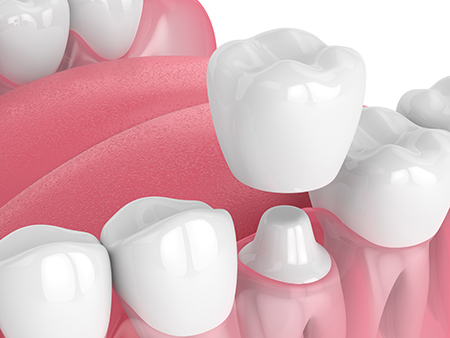
Ceramics vary in translucency, flexural strength, and handling characteristics. Lithium disilicate is often chosen for its pleasing balance of natural translucency and reliable strength, making it a favorite for visible front teeth and single posterior crowns where appearance is important.
Zirconia has evolved into multiple formulations: high-translucency zirconia offers improved appearance for anterior use, while monolithic zirconia provides exceptional strength for molars and situations where the restoration must withstand heavy forces. The right choice depends on the tooth's location, the patient's bite, and the desired aesthetic outcome.
Pressable ceramics and leucite-reinforced porcelains remain valuable when the highest level of surface finish and subtle optical effects are required. Each option involves trade-offs between strength, translucency, and how much tooth needs to be prepared—so we discuss these considerations with patients before recommending a material.
Our in-house capabilities and laboratory partnerships let us deliver restorations crafted from the selected ceramic with precision. Whether a case benefits from the efficiency of same-day milling or the layered artistry of a lab-fabricated crown, we choose the workflow that best supports longevity and appearance.

Treatment typically starts with a detailed evaluation that includes digital imaging and an assessment of how your teeth come together. If a crown is recommended, we remove decay and shape the remaining tooth so the new restoration will fit precisely while preserving as much healthy structure as possible.
Impressions may be captured with digital scanners or traditional materials, depending on the case. Some ceramic systems allow for same-day milling and placement, while others benefit from laboratory customization. When a lab-fabricated crown is used, a temporary restoration protects the tooth until the final piece is ready.
At the final appointment we evaluate fit, contacts, and bite, making careful adjustments to ensure comfort and optimal function. Modern adhesive and cementation techniques create a secure bond between the crown and tooth while minimizing sensitivity and enhancing the restoration's appearance.
Aftercare focuses on good oral hygiene, routine dental visits to monitor the crown and surrounding tissues, and managing habits like grinding when present. With attentive care and appropriate material selection, ceramic crowns can provide reliable performance and natural-looking results for many years.
Successful restorative care depends on clinical precision, artistic finishing, and clear communication. Our team emphasizes evidence-based protocols and meticulous technique—from margin preparation and occlusal adjustment to selecting a material that meets both functional and aesthetic goals.
We prioritize patient education so you understand material choices, the sequence of treatment, and what to expect at each visit. That transparency helps you participate in decisions about your care and feel confident about the long-term plan for your tooth.
High-quality lab work, digital planning tools, and strict restorative protocols all contribute to predictable outcomes. Attention to detail during every stage of treatment supports restoration longevity and a comfortable, natural result.
If you’re considering a ceramic crown and want to understand which option suits your smile, our team at Chroma Dental can explain the choices and outline a treatment path tailored to your needs.
In summary, modern ceramic crowns offer an aesthetic, biocompatible way to restore and protect teeth that have sustained significant damage or wear. If you’d like more information about how a ceramic crown could help preserve and enhance your smile, please contact us for more information.

Ceramic crowns are full-coverage restorations made from metal-free dental ceramics designed to restore a damaged tooth’s form and function. They are engineered to mimic the optical properties of natural enamel, providing translucency and color depth that blend with adjacent teeth. Unlike traditional porcelain-fused-to-metal crowns, ceramic crowns avoid metal substructures and the dark margins that can appear at the gumline over time.
Modern ceramic systems vary in composition and performance, so material selection balances aesthetics, strength, and biocompatibility. This metal-free construction can also be gentler on surrounding soft tissues and reduces the risk of galvanic reactions some patients experience with metal-containing restorations. Overall, ceramic crowns offer a combination of lifelike appearance and reliable durability for many restorative situations.
A full-coverage crown is typically recommended when a tooth has lost substantial structure or is at high risk for fracture, making a conventional filling unreliable. Common indications include large or failing restorations, endodontically treated teeth, significant cracking, and teeth with extensive wear from grinding. Crowns protect the remaining tooth by redistributing functional forces and restoring proper anatomy for chewing and contact with neighboring teeth.
Deciding on a crown involves evaluating how much healthy tooth remains, the tooth’s role in the bite, and aesthetic goals for visible teeth. When a tooth must also serve as an abutment for a bridge or an implant restoration, a crown provides the predictable form and strength required. Your dentist will explain the clinical rationale so you understand why a crown is the most durable solution for long-term function.
Material selection is based on the tooth’s position, the patient’s bite forces, and desired aesthetic outcome; each ceramic has distinct advantages. Lithium disilicate offers an appealing balance of translucency and strength, making it well suited for anterior crowns and single posterior restorations where appearance matters. Zirconia comes in multiple formulations: high-translucency zirconia improves aesthetics for front teeth, while monolithic zirconia delivers exceptional strength for molars and cases with heavy occlusal loads.
Other options such as pressable ceramics or leucite-reinforced porcelains provide superior surface finish and subtle optical effects but may require different preparation techniques. The choice also considers how conservative the tooth preparation can be and whether same-day milling or laboratory layering will produce the best result. Your provider will review these trade-offs and recommend the material that best meets both functional and aesthetic priorities.
The process begins with a detailed clinical exam that includes digital imaging and evaluation of occlusion to determine the appropriate restoration plan. After removing decay and shaping the tooth, impressions are captured either digitally or with traditional materials; some cases allow same-day milling while others benefit from laboratory customization. When a lab-crafted crown is indicated, a temporary restoration protects the prepared tooth until the final piece is ready for placement.
At the final appointment the dentist evaluates fit, contacts, and bite, making precise adjustments to ensure comfort and optimal function before cementation. Modern adhesive and cementation techniques create a secure bond while minimizing postoperative sensitivity and enhancing aesthetics. Post-procedure instructions focus on proper hygiene and habit management to support restoration longevity.
Ceramic crowns can provide many years of service when placed with proper technique and maintained with good oral hygiene and regular dental visits. Longevity depends on factors such as material choice, the amount of remaining tooth structure, the patient’s bite dynamics, and habits like grinding or using teeth as tools. Proper occlusal design, accurate fit, and high-quality laboratory work all contribute to predictable, durable outcomes.
Routine care includes daily brushing and flossing, avoiding excessive forces on the restoration, and wearing a protective nightguard if grinding is present. Regular dental checkups allow the team to monitor crown margins and surrounding tissues, addressing problems early to prevent failure. With attentive maintenance and appropriate material selection, ceramic crowns can remain functional and aesthetic for many years.
Yes, ceramic crowns are commonly used to restore teeth that have undergone root canal therapy because such teeth are often more brittle and prone to fracture. A crown encapsulates the remaining tooth structure, reinforcing it and restoring proper function and occlusion. In many cases a post and core may be placed when additional support is needed before fabricating the crown.
The choice of ceramic material depends on the tooth’s location and the expected chewing forces; posterior root canal teeth may benefit from stronger zirconia formulations while anterior teeth prioritize translucency. Your dentist will assess the tooth’s structural integrity and recommend the restorative approach that maximizes longevity and aesthetic integration.
Shade matching combines color selection, digital photography, and an understanding of the optical properties of ceramics to achieve a natural appearance. Dentists evaluate hue, chroma, and translucency in the surrounding teeth, sometimes using shade guides and digital images to communicate the desired outcome to the dental laboratory. For layered or layered-and-stained restorations, technicians can reproduce subtle surface textures and internal characterizations that make the crown blend seamlessly.
When same-day milling is used, in-office staining and glazing can refine the final appearance, while lab-fabricated restorations allow for advanced layering techniques that mimic enamel depth. Communication between clinician and technician is essential to capture the patient’s aesthetic goals and deliver a result that harmonizes with the smile. Final adjustments at seating ensure the color integrates under the specific lighting conditions of the patient’s daily life.
Patients who habitually grind or clench present special considerations because increased forces can stress restorations and the underlying tooth. Stronger ceramic formulations such as monolithic zirconia are often recommended for posterior crowns in these cases because they better resist fracture under heavy occlusal loads. Additionally, designing the occlusion to distribute forces evenly and ensuring proper contacts reduces the risk of premature wear or failure.
Beyond material choice, protecting the restoration with a custom nightguard or occlusal appliance helps manage parafunctional forces and preserve both the crown and the natural dentition. The treatment plan typically combines restorative choices with behavioral and protective measures to support long-term success. Regular follow-up appointments allow the clinician to monitor wear patterns and adjust the plan as needed.
While ceramic crowns are generally predictable, potential complications include marginal leakage leading to recurrent decay, fracture or chipping of the ceramic, and sensitivity after placement. Proper tooth preparation, accurate impressions or scans, and meticulous laboratory or milling processes minimize these risks by ensuring a precise fit and appropriate material thickness. Occlusal adjustments at seating are critical to prevent high points that could increase stress on the restoration.
Gum irritation around crown margins can occur if margins are not adapted well or if oral hygiene is inadequate; regular dental care and careful margin design help maintain healthy surrounding tissues. Prompt attention to any discomfort, looseness, or visible changes allows early intervention to protect the tooth and restoration. The clinical team will review risk factors and preventive steps when recommending a crown.
Ensuring long-term fit and function begins with diagnostic planning that includes bite analysis, digital imaging, and a thorough clinical examination to inform material and design choices. Precision in preparation, accurate impressions or digital scans, and collaboration with skilled laboratory partners or in-house milling workflows produce restorations with correct margins, contacts, and occlusal anatomy. At delivery the clinician verifies fit, makes fine adjustments, and uses contemporary bonding or cementation techniques to secure the crown.
After placement, ongoing monitoring through routine checkups allows the team to evaluate crown integrity, gum health around margins, and the patient’s functional comfort. Education on at-home care and management of parafunctional habits supports the restoration’s longevity, and any necessary maintenance or repairs can be planned proactively. For personalized guidance and evaluation, the office of Chroma Dental can explain the specific steps we take to achieve predictable, long-lasting ceramic restorations.