
155 E. 55th St., Suite 301, New York, NY 10022

Keeping natural teeth is always the preferred outcome, but there are circumstances when extraction is the most responsible path to protect your long‑term oral health. Removing a tooth can halt spreading infection, relieve persistent pain, and create the conditions needed for a successful restorative plan. Our goal is to exhaust conservative options first and recommend extraction only when it clearly advances a patient’s overall well-being.
Every recommendation begins with a careful, individualized assessment. We review your dental and medical history, evaluate symptoms, and use diagnostic imaging to see root anatomy and the tooth’s relationship to surrounding tissues. That baseline helps us weigh the likely success of restorative treatments against the risks of leaving a compromised tooth in place.
Transparency is central to our process. We explain the reasons we feel extraction is appropriate, outline alternatives when they exist, and discuss what to expect before, during, and after the procedure. That way you can make an informed choice that balances immediate relief with long‑term function and aesthetics.
Primary teeth that obstruct normal development
If a baby tooth persists beyond its expected time or doesn’t resorb properly, it can block a permanent tooth or cause misalignment. Timely removal in growing patients often prevents more extensive orthodontic intervention later.
Extensive decay that destroys necessary tooth structure
When decay progresses past the point where a tooth can be reliably restored, extraction stops the source of infection and prevents damage to nearby teeth and tissues.
Severe fractures that undermine prognosis
Cracks and breaks that extend below the gumline or involve root structure can make a tooth nonviable. Removing a fractured tooth can prevent chronic pain and recurring infections.
Advanced periodontal disease with lost support
When gum disease has eroded supporting bone and a tooth becomes loose or a persistent infection site, extraction is often necessary to control disease and protect adjacent teeth.
Problem wisdom teeth that threaten surrounding teeth
Third molars frequently lack space to erupt properly. Impacted or partially erupted wisdom teeth can cause crowding, decay, or infection and are removed when their risks exceed any benefit in keeping them.
Orthodontic plans that require strategic removals
In some orthodontic cases, removing one or more teeth is the most effective way to create space for proper alignment. These extractions are coordinated with the orthodontic team to support predictable, stable outcomes.

Preparation begins long before an instrument touches the tooth. We take a detailed medical and dental history, review current medications, and identify any conditions that could affect healing — for example, bleeding disorders, immune issues, or medications that influence bone metabolism. When necessary, we coordinate with your physician to ensure a safe plan.
Diagnostic imaging is a critical component of planning. Digital radiographs and other imaging give us a clear picture of root shapes, proximity to nerves and sinuses, and the extent of bone loss or infection. That information helps determine whether a straightforward removal will suffice or whether a surgical approach is required to protect nearby structures.
Comfort and anxiety management are also part of the plan. We offer local anesthesia and discuss sedation options when appropriate, tailoring the approach to each patient’s needs. Before your appointment we’ll review pre‑procedural instructions so you’ll know what to expect and how to prepare for the day of treatment.
When a tooth is fully erupted and its roots are accessible, a simple extraction can often be completed quickly and gently. After thoroughly numbing the area, the clinician uses controlled movements to loosen and remove the tooth while preserving surrounding bone and soft tissue. This conservative technique supports faster healing and better options for future replacement.
Most patients recover rapidly after a simple extraction and can resume normal activities within a short time. We provide clear aftercare guidance, including pain control strategies, and make sure you understand signs that warrant a follow‑up call or appointment.
Surgical extractions become necessary when a tooth is impacted, fractured at the gumline, fused to bone, or has an atypical root form. These procedures may involve a small incision and the selective removal of a bit of bone to access and lift the tooth safely. The techniques are precise and designed to protect adjacent teeth and vital anatomy.
For highly complex cases we may collaborate with an oral and maxillofacial surgeon. Whether the procedure takes place in our office or in collaboration with a specialist, careful planning and attentive post‑operative management aim to produce predictable results and a controlled recovery.
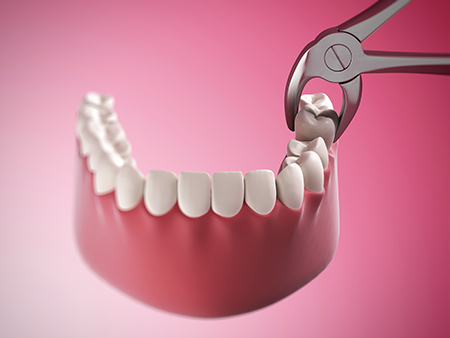
Healing after an extraction follows a predictable course, and simple, consistent care helps prevent complications. We provide individualized post‑operative instructions that focus on protecting the blood clot, managing swelling and discomfort, and maintaining oral hygiene without disturbing the surgical site. Clear guidance helps patients feel confident during recovery.
Follow‑up visits let us monitor healing, remove sutures if necessary, and discuss timing for any restorative treatment. Patients with medical conditions or medications that affect clotting or bone healing require coordinated care; we’ll work with your medical providers to optimize outcomes when special precautions are indicated.
If you encounter increasing pain, unusual swelling after the first few days, fever, or any concerning symptoms, we ask you to contact the office promptly so we can evaluate and intervene early. Timely attention is often all that’s needed to keep healing on track.
Control bleeding with firm, consistent pressure
We place gauze over the extraction site and ask you to bite down gently but firmly. Replace gauze as directed. Light oozing during the first 24 hours is normal; persistent heavy bleeding should be evaluated.
Avoid injuring numb tissues
While local anesthesia is in effect, take care not to chew, touch, or suck on the area to prevent accidental bites or injuries to lips, cheeks, or tongue.
Follow medication guidance
Take prescribed antibiotics and pain medication exactly as directed. If antibiotics are part of your plan, finish the full course. For pain control, taking an analgesic before numbness ends often reduces early discomfort.
Antibiotics:
When indicated, complete the prescribed regimen to reduce infection risk.
Pain medication:
Use over‑the‑counter or prescribed options as recommended by your provider. Avoid aspirin unless advised, as it can increase bleeding.
Protect the blood clot
Avoid vigorous rinsing, using straws, or smoking for several days. Actions that create suction or dislodge the clot increase the risk of delayed healing or dry socket.
Manage swelling with brief cold applications
Use an ice pack intermittently during the first 24 hours to control swelling; after that, warm compresses may help relieve discomfort if needed.
Choose gentle foods and stay hydrated
Stick with cool, soft foods and avoid hot, spicy, or carbonated beverages in the first days. Drink fluids carefully to protect the extraction site.
Maintain gentle oral hygiene
Keep brushing the rest of your mouth carefully and begin mild saltwater rinses after the first 24 hours. Avoid forceful spitting or rinsing that could disturb the healing clot.
Attend scheduled follow‑up
Return for any recommended post‑op appointments so we can confirm proper healing, remove sutures if present, and plan for restorative care when appropriate.
If symptoms such as increasing pain, unusual swelling, persistent fever, or prolonged bleeding occur, contact us so we can assess and provide timely care to address any complications.
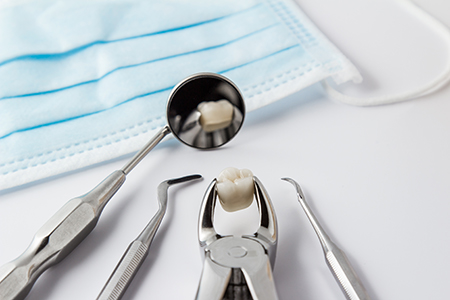
An extraction is often the first step in a plan to restore comfort, chewing function, and appearance. We review replacement options that fit your goals and oral health — including removable dentures, fixed bridges, and implant‑supported restorations — and explain the tradeoffs of each choice so you can select the best path forward.
Dental implants are a durable option for many patients because they preserve bone and restore near‑natural function. Fixed bridges may be an efficient solution when adjacent teeth are healthy and appropriate for crowns. Removable prosthetics remain a practical choice for certain needs and can be designed for improved comfort and stability.
Long‑term success also depends on protecting neighboring teeth and addressing risk factors such as gum disease, bruxism, and poor oral hygiene. Preventive care, routine maintenance, and timely intervention are essential to preserve the rest of your smile over the years.
Our care philosophy centers on clear communication, thoughtful planning, and gentle technique. We combine clinical experience with modern imaging and anesthesia options to provide treatment that is safe, efficient, and centered on patient comfort. When specialist care is recommended, we coordinate closely to ensure continuity and predictability.
At Chroma Dental, we prioritize minimally invasive approaches when feasible and walk each patient through their options for replacement and recovery. That collaborative process helps patients make decisions that align with their lifestyle and long‑term oral health goals.
Whether you face a straightforward extraction or a complex surgical case, our team focuses on predictable outcomes, attentive follow‑up, and practical guidance to support your recovery and future dental wellness.
Summary: Tooth extraction can be an important step to relieve pain, eliminate infection, or set the stage for restorative treatment. With careful evaluation, precise technique, and clear aftercare instructions, extractions are performed safely and with the patient’s comfort in mind. If you have questions about whether extraction is the right option or want to discuss next steps for replacement and recovery, please contact us for more information.

Keeping a natural tooth is generally the preferred option, but extraction becomes the safest choice when a tooth poses ongoing risk to oral health. Common reasons include severe decay that cannot be predictably restored, fractures that extend below the gumline, advanced periodontal disease with significant bone loss, persistent infection, and primary teeth that obstruct normal development. Third molars (wisdom teeth) that are impacted or cause recurrent problems are also frequently removed to prevent damage to adjacent teeth and tissues.
Every case begins with a careful assessment of symptoms, dental and medical history, and diagnostic imaging to determine prognosis and relationships to adjacent anatomy. When possible, conservative treatments are considered first, and extraction is recommended only when it clearly improves long‑term function, comfort, or oral health. A clear explanation of alternatives and expected outcomes helps patients make an informed decision aligned with their goals.
Evaluation starts with a thorough clinical exam and review of your health history, including medications and conditions that affect healing. Diagnostic imaging, such as digital radiographs or three‑dimensional scans, reveals root anatomy, proximity to nerves or sinuses, and the extent of bone loss or infection, which are critical to prognosis. The team also considers functional factors such as bite alignment, restorative needs, and the long‑term viability of adjacent teeth.
Assessment is collaborative and individualized: the clinician weighs the likelihood of successful restoration against the risks of retaining a compromised tooth. When medical conditions or complex anatomy increase risk, the plan may include coordination with medical providers or referral to a specialist for surgical management. Clear communication about options, risks, and expected timelines ensures patients understand the rationale for any recommendation.
A simple extraction is performed on a tooth that is fully erupted with roots that are readily accessible; it typically involves local anesthesia and controlled instrumentation to loosen and remove the tooth while preserving surrounding bone and soft tissue. Recovery is generally faster after a simple extraction because the procedure is less invasive and causes minimal tissue disruption. Most straightforward removals are completed in a single, efficient visit with clear aftercare instructions for comfortable healing.
Surgical extractions are required when a tooth is impacted, fractured at the gumline, fused to bone, or has an unusual root anatomy that prevents straightforward removal. These procedures may involve a small incision, removal of a limited amount of bone, and suturing to allow safe access and closure. For highly complex cases, the team may collaborate with or refer to an oral and maxillofacial surgeon to ensure safe management of vital structures and predictable outcomes.
Pain control begins with effective local anesthesia to numb the treatment area so the procedure itself is comfortable, and clinicians confirm that anesthesia is complete before proceeding. For patients who experience anxiety or require additional comfort, the practice offers sedation options that are tailored to the individual’s medical history and the complexity of the procedure. Sedation choices range from mild oral sedatives to deeper intravenous options when indicated, and they are administered with appropriate monitoring to prioritize safety.
After the procedure, a pain‑management plan is provided that may include over‑the‑counter or prescribed analgesics and specific instructions for timing doses to minimize discomfort. The team also advises on adjunctive measures such as cold therapy, rest, and gentle oral hygiene to support recovery. Clear postoperative guidance and accessible follow‑up help patients manage symptoms and address any concerns early.
Preparation includes sharing a complete medical history and current medication list, including blood thinners, supplements, and any conditions that affect bleeding or healing. If you have complex medical issues, the dental team may coordinate with your physician to adjust medications or confirm safe timing for the procedure. Follow any pre‑procedural instructions provided by the office, such as fasting requirements for certain sedation types or arranging transportation if sedation is planned.
Practical steps to prepare at home include arranging a comfortable recovery space, obtaining any recommended over‑the‑counter items (for example, ice packs), and planning for a short period of rest following the procedure. Ask your clinician about what to expect on the day of treatment, how long the appointment will likely take, and when you should resume normal activities. Being informed and prepared reduces anxiety and supports a smoother experience.
Initial healing typically follows a predictable course: the first 24 to 48 hours may include mild to moderate soreness, localized swelling, and light bleeding or oozing, which usually improves with proper care. Protecting the blood clot is essential to avoid complications; patients should avoid vigorous rinsing, using straws, smoking, or actions that create suction at the site during the early days. Intermittent ice for swelling, prescribed or recommended analgesics, and a soft‑food diet help manage symptoms while tissues begin to repair.
Most patients notice steady improvement across the first week and can gradually return to normal activities as comfort allows. Gentle oral hygiene for the rest of the mouth and warm saline rinses after 24 hours promote cleanliness without disturbing the healing site. If sutures were placed, a follow‑up visit may be scheduled to monitor healing and remove them if needed.
The most common complications include prolonged bleeding, infection, and dry socket, a painful condition that can occur if the blood clot is dislodged from the extraction site. Mild swelling and transient discomfort are normal, but increasing pain after the first few days, unusual swelling, fever, or persistent bleeding warrant prompt contact with the office for evaluation. Early assessment allows the clinician to address problems with interventions such as irrigation, medicated dressings, or antibiotics when clinically indicated.
Prevention and early recognition are key: following postoperative instructions reduces the risk of complications, and patients are encouraged to report concerns quickly so treatment can be started. The dental team provides clear guidance on signs to watch for and makes follow‑up arrangements when necessary to support uncomplicated healing. When specialized care is required, appropriate referrals are arranged to ensure patient safety and predictable resolution.
Replacement timing depends on healing, overall oral health, and the chosen restorative option; clinicians typically assess the extraction site during follow‑up visits and discuss appropriate timing for replacement based on bone healing and tissue stability. Options include dental implants, fixed bridges, and removable prosthetics, each with specific indications, advantages, and treatment steps. Dental implants often preserve bone and restore function long term, while bridges and removable appliances can provide efficient and effective tooth replacement in selected cases.
Deciding on a replacement strategy involves evaluating neighboring teeth, bone volume, bite mechanics, esthetic goals, and any medical considerations that influence healing. The team will outline the sequence of care, expected timelines, and the preparatory steps that may be needed, such as bone grafting or provisional restorations. A collaborative treatment plan prioritizes predictable outcomes and alignment with the patient’s lifestyle and oral‑health objectives.
Certain medical conditions and medications can influence bleeding, infection risk, and bone healing, so a complete medical history is essential to safe planning and execution of extractions. For example, blood thinners, diabetes, immune suppression, and medications that affect bone metabolism require specific precautions and sometimes coordination with the prescribing physician. The dental team reviews these factors to tailor anesthesia, antibiotic use when indicated, and postoperative monitoring to minimize complications.
When modifications are necessary, clinicians communicate with medical providers to determine whether temporary medication adjustments are appropriate and to establish a safe treatment timeline. Extra precautions may include altered suturing techniques, additional local hemostatic measures, or extended follow‑up. Transparent communication and coordinated care help optimize healing and reduce risk for patients with complex medical histories.
Our approach emphasizes careful evaluation, evidence‑based technique, and clear, patient‑centered communication to support safe and predictable outcomes. At Chroma Dental we combine modern diagnostic imaging, individualized anesthesia and sedation options, and coordinated care when specialist involvement is indicated to ensure each extraction is performed with attention to anatomy and healing needs. The team prioritizes minimally invasive methods when feasible and provides detailed postoperative guidance to support recovery.
We also work closely with medical providers when systemic conditions require collaboration and schedule follow‑up to confirm healing and plan restorative steps when appropriate. Patients are encouraged to ask questions and participate in shared decision making so the chosen approach aligns with their health priorities and lifestyle. This structured, transparent process helps patients feel informed and supported throughout treatment and recovery.