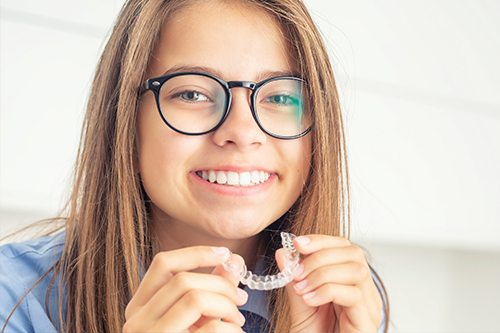
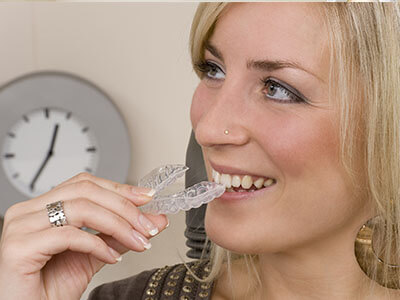
Invisalign® represents a refined option in contemporary orthodontics: discreet, digitally guided, and built around how people actually live their lives. Instead of metal brackets and wires, treatment relies on a sequence of transparent, removable aligners that apply gentle, calculated forces to reposition teeth. For many patients, this approach delivers predictable changes in alignment while minimizing the visual and practical impact of treatment on daily routines.
Why clear aligners can be a practical choice for modern smiles
Clear-aligner therapy emphasizes subtlety and control. Each aligner in the series is engineered to move selected teeth by small increments, which reduces abrupt shifts and helps maintain comfort. Because the plan is mapped out in advance with digital tools, patients can view a projected trajectory of their smile before treatment begins, making the process easier to understand and follow.
Beyond aesthetics, well-planned alignment improves function: properly aligned teeth distribute bite forces more evenly, reduce excessive wear, and can simplify oral hygiene. Aligners are removable, which means patients can clean their teeth normally and avoid many of the hygiene challenges associated with fixed appliances.
Importantly, success depends on consistent wear and collaboration between the patient and clinician. While the technology supplies a precise roadmap, predictable outcomes are achieved when wear schedules and follow-up visits are observed and any necessary mid-course adjustments are made promptly.
How we design a treatment path that fits your goals
Every aligner program starts with a careful evaluation of your dental health and objectives. Rather than a one-size-fits-all method, clinicians use intraoral scans and photographs to capture three-dimensional records of your teeth and bite. Those records become the basis for a personalized treatment sequence that addresses both esthetic concerns and functional needs.
Using virtual treatment software, clinicians can plan each tooth movement and anticipate common challenges—such as rotations, space closure, or correcting bite relationships. Where appropriate, the plan may incorporate small attachments, selective enamel shaping, or coordination with other dental work to improve control and final results.
Because these steps are considered before aligner fabrication, the process fosters predictability. Patients receive a clear timeline, an understanding of the stages involved, and explanations of any adjunctive techniques that will support the plan—so there are no surprises once treatment begins.
What your first visits will look like and how treatment begins
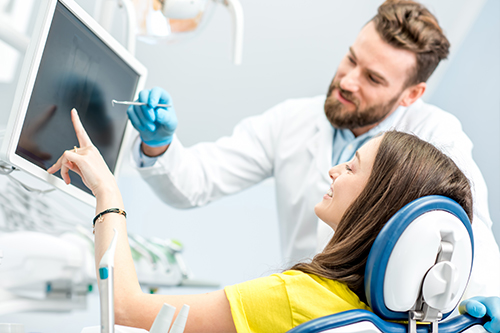
The initial appointments focus on information gathering and shared decision-making. After a thorough exam and review of your dental history, your clinician will capture digital scans and images to construct the virtual model of your bite. This meeting is an opportunity to clarify priorities, discuss realistic expectations, and determine whether aligner therapy is the right fit for your needs.
Once the digital proposal is finalized, the aligners are produced and your clinician will walk you through the practical details: how to insert and remove trays, recommended daily wear time, cleaning instructions, and ways to handle mild pressure when starting a new aligner. Early guidance helps shorten the adjustment period so patients can integrate aligners into their routine comfortably.
Follow-up visits are scheduled at regular intervals to verify that teeth are tracking as planned and to swap sets of aligners. These check-ins are typically efficient because much of the movement sequence is pre-programmed, but the clinician’s oversight remains essential to confirm progress and make timely refinements if minor corrections are needed.
Living with aligners: comfort, care, and consistency
One of the most practical benefits of clear aligners is their removability. Being able to take trays out for meals and cleanings preserves normal oral hygiene and reduces the risk of plaque accumulation compared with fixed appliances. Patients are encouraged to brush and floss after eating and to rinse trays regularly to maintain freshness and oral health.
Aligner material is designed to be smooth and low-profile for everyday comfort. New aligners usually produce a brief sensation of pressure that signals effective tooth movement; most people adapt quickly. There can be a short period of altered speech when beginning treatment, but this generally resolves within days as the mouth adjusts.
Consistency is the single most important factor in reaching planned outcomes. Wearing aligners for the prescribed number of hours each day and following the sequence established by your clinician keeps treatment on schedule and minimizes the need for unplanned refinements. Simple habits—like carrying a case and being mindful during meals—make compliance far easier.
Technology and clinical judgment: how they work together
Advanced imaging and virtual planning make modern aligner therapy precise, but technology is only part of the equation. Experienced clinicians interpret digital plans in the context of each patient’s anatomy, periodontal health, and restorative needs. That clinical judgment shapes decisions about attachments, staged movements, and any supplemental procedures required to meet both functional and esthetic goals.
Attachments—small composite shapes bonded to teeth—can give aligners purchase for controlled rotations or vertical adjustments. Similarly, selective enamel reshaping or coordinating crown and filling work may be necessary to harmonize alignment with existing restorations. These interventions are applied judiciously and always with an eye toward long-term health.
When refinements are needed, the clinician evaluates outcomes and updates the plan to address stubborn movements or fine-tune occlusion. This iterative collaboration between digital planning and hands-on expertise is what delivers efficient, stable results that support a healthy, confident smile.
Watch how virtual planning and clear aligners come together to shape predictable change.
*Invisalign® is a registered trademark of Align Technology, Inc.
Initial exam and treatment goals
The first consultation is an in-depth review of your oral health and aesthetic priorities. Your clinician will listen, examine, and explain how aligner therapy can address your concerns while preserving or improving function.
High-definition scans and visual previews
Digital scans capture precise anatomy and form the basis for a visual treatment plan. Seeing projected results helps patients understand the sequence of changes and feel confident about the direction of care.
Custom-fit aligners made for daily life
Each aligner is fabricated to match your dental contours for a snug, low-profile fit. The goal is to combine effective tooth movement with a comfortable design that fits professional and personal routines.
Progress checks and finalizing results
Regular reviews track how teeth respond and confirm whether the treatment is progressing as planned. When movement is complete, your clinician will outline a retention strategy to maintain the new positions.
At Chroma Dental, we approach aligner therapy with an emphasis on clinical accuracy and a patient-centered experience. If you’re curious whether Invisalign® could help you reach your smile goals, contact us for more information and to arrange a consultation.