
155 E. 55th St., Suite 301, New York, NY 10022

Small cavities and minor fractures may seem inconvenient at first, but left unchecked they can compromise the strength and contour of a tooth. A properly placed filling restores the tooth’s form and function, halting decay and supporting everyday activities like chewing and speaking. The goal is to preserve as much healthy tooth as possible while returning reliable performance to the damaged area.
Advances in restorative dentistry emphasize conservative treatment. Today’s approaches focus on removing only the diseased tissue, reinforcing remaining structure, and choosing materials that behave predictably under the forces of the bite. When a filling is planned thoughtfully, it becomes part of a long-term strategy to maintain oral health rather than a temporary patch.
Your clinician evaluates the unique needs of each tooth—how much structure is lost, where the tooth sits in the arch, and how it contacts neighboring teeth—to recommend an approach that balances strength, durability, and appearance. This individualized plan helps ensure the restoration integrates seamlessly with your mouth and your daily life.
Repairing teeth is one of dentistry’s oldest practices, and materials have evolved considerably. Early attempts relieved pain or plugged holes, but lacked longevity. Later, metals such as gold and amalgam became widely used for their durability, especially in areas subjected to heavy chewing.
Over recent decades, materials science and adhesive techniques transformed what a filling can do. Tooth-colored restorative resins and stronger ceramics let clinicians match color and conserve more natural tooth structure, while improved bonding methods create reliable seals that reduce the risk of recurrent decay.
These changes have made routine restorations more aesthetic and comfortable, allowing many patients to avoid visible metal in their smiles while still receiving robust functional repairs when needed.
Selecting the right restoration goes beyond picking a material. The dentist considers the size and location of the defect, whether the tooth has existing restorations, the patient’s bite pattern, and any habits like grinding that can influence longevity. This diagnostic step guides choices that protect both the repaired tooth and neighboring teeth.
Communication is essential in this process. Clear discussion about what to expect, how each material performs, and how the appointment will proceed helps patients feel confident in the plan. Minimizing surprises and focusing on comfort are standard parts of a thoughtful treatment experience.
When appropriate, conservative options are selected first; for larger or more complex defects, indirect restorations or staged treatments are used to provide strength where it matters most.

Today’s restorative toolkit offers a broad spectrum of materials tailored to different clinical needs. Some restorations are completed in a single visit, while others use lab- or chairside-fabrication for enhanced strength and fit. Choosing the right material depends on esthetic priorities, the amount of tooth structure remaining, and how much chewing force the tooth must endure.
Understanding the benefits and limitations of each option makes it easier to select a solution that aligns with both functional demands and cosmetic expectations. Clinicians weigh these considerations carefully to recommend restorations that perform predictably over time.
Below are commonly used restorative types and the clinical situations where they tend to perform best, described in straightforward terms to help you follow the rationale behind each recommendation.
Composite resin fillings are placed directly into the prepared cavity and bonded to the tooth. Because they can be shaded to match your enamel and require less removal of healthy tooth, composites are a popular choice for visible teeth or when preserving structure is a priority.
Composites excel for small to moderate cavities, cosmetic repairs like chipped edges, and situations where a discreet appearance matters. They are versatile, repairable, and suitable for many everyday restorative needs.
Traditional amalgam and high-quality metal restorations remain reliable for large posterior teeth that face heavy forces during chewing. These materials have a long track record of wear resistance and structural support.
While not tooth-colored, metal restorations are sometimes the most practical option for long-term durability, particularly where the restoration is far back in the mouth and esthetics are less of a concern.
Glass ionomer cements bond chemically to tooth structure and release low levels of fluoride, which can be helpful in high-risk decay situations or for pediatric restorations. They are useful near the gumline or in teeth where moisture control makes other materials challenging to place.
Because they are less resistant to heavy wear, glass ionomers are typically used in low-stress areas or as interim solutions while a more durable restoration is planned.
Ceramic inlays and onlays are indirect restorations crafted to precisely fit a prepared tooth. Their strength and color stability make them an excellent choice when a direct filling would be inadequate for a larger defect.
These restorations are bonded to the tooth and can restore both function and appearance, offering a long-lasting alternative when more of the tooth must be replaced or reinforced.
Gold restorations are prized for their durability, biocompatibility, and gentle wear against opposing teeth. Although less common for front teeth today, gold can be an outstanding long-term choice for select posterior restorations.
When longevity and tissue compatibility are prioritized, gold remains a respected option among restorative materials.
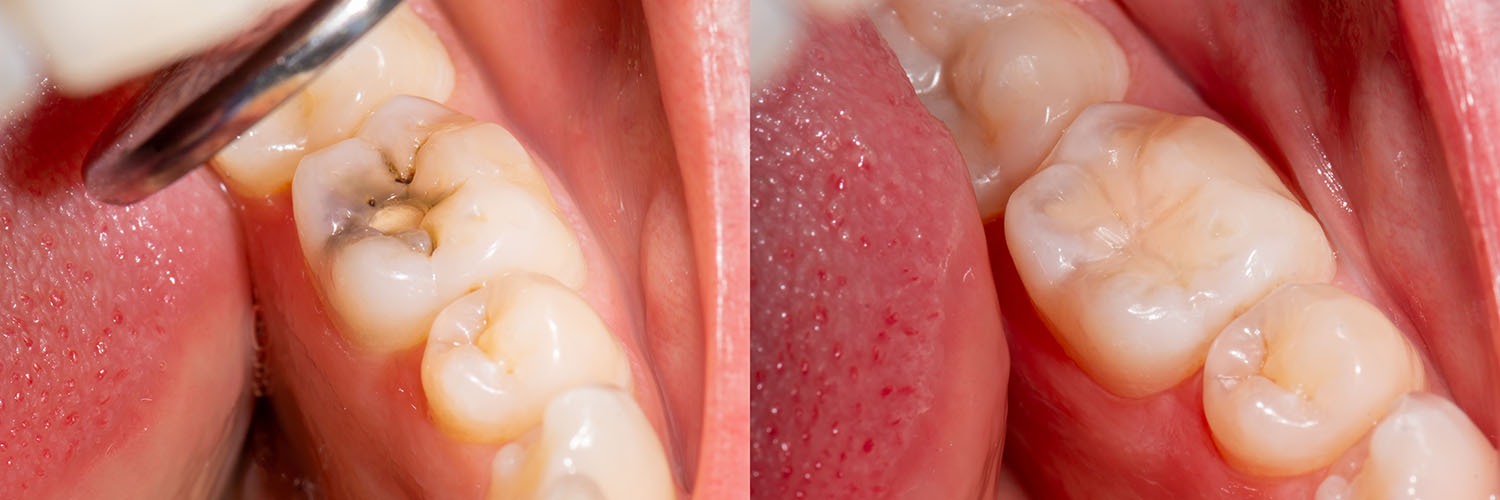
A filling visit begins with a careful assessment—visual exam, digital imaging, and discussion of options. This diagnostic phase determines how deep the decay is and whether a direct filling or an indirect restoration is the best path forward. The plan is agreed upon before any treatment begins.
Most restorations are placed with local anesthesia so the procedure is comfortable. The clinician removes decayed tissue, shapes the cavity for a stable restoration, and follows specific steps for the chosen material—bonding and curing a composite, or taking impressions and scheduling a second visit for an inlay or onlay, for example.
For patients who feel anxious about dental care, sedation options may be discussed to help you remain relaxed while treatment is completed efficiently and safely. Our providers emphasize clear explanations and gentle technique to make the experience as stress-free as possible.
Simple fillings commonly take less than an hour, but more complex repairs—deep decay, multi-surface restorations, or indirect work—can require extra time or multiple appointments to ensure a precise, durable result.
Aftercare plays a major role in how long a filling lasts. Maintaining consistent oral hygiene—brushing twice daily with fluoride toothpaste, flossing, and attending regular dental checkups—helps prevent new decay around restorations and allows early detection of any wear or marginal changes.
Brief sensitivity after a new filling is common, especially when exposed to temperature changes, and usually resolves within days or weeks. If you notice persistent pain, a sharp bite, or increasing sensitivity, schedule an evaluation so the restoration can be adjusted or assessed for other issues.
Over time, all restorations can wear or develop margins that require attention. Regular professional exams and intermittent X-rays help monitor the condition of fillings and allow timely maintenance, preserving the tooth and avoiding more extensive treatment later.
Protect soft tissues while numb
When local anesthesia is used your lips, cheeks, and tongue may remain numb for a short period. Avoid chewing on the numb side until sensation returns to prevent unintentional biting.
Expect a brief adjustment period
A new restoration may feel different at first; small bite or contour refinements are common and can be made quickly during a follow-up visit.
Sensitivity usually settles
Mild sensitivity to hot, cold, or pressure often diminishes with time. If sensitivity increases or persists, an evaluation is recommended.
Routine care extends performance
Good daily hygiene, professional cleanings, and addressing habits like grinding will help your restorations perform well for years.
If you have questions about a recent restoration or want advice on protecting a repaired tooth, our team can help guide you through the best next steps.
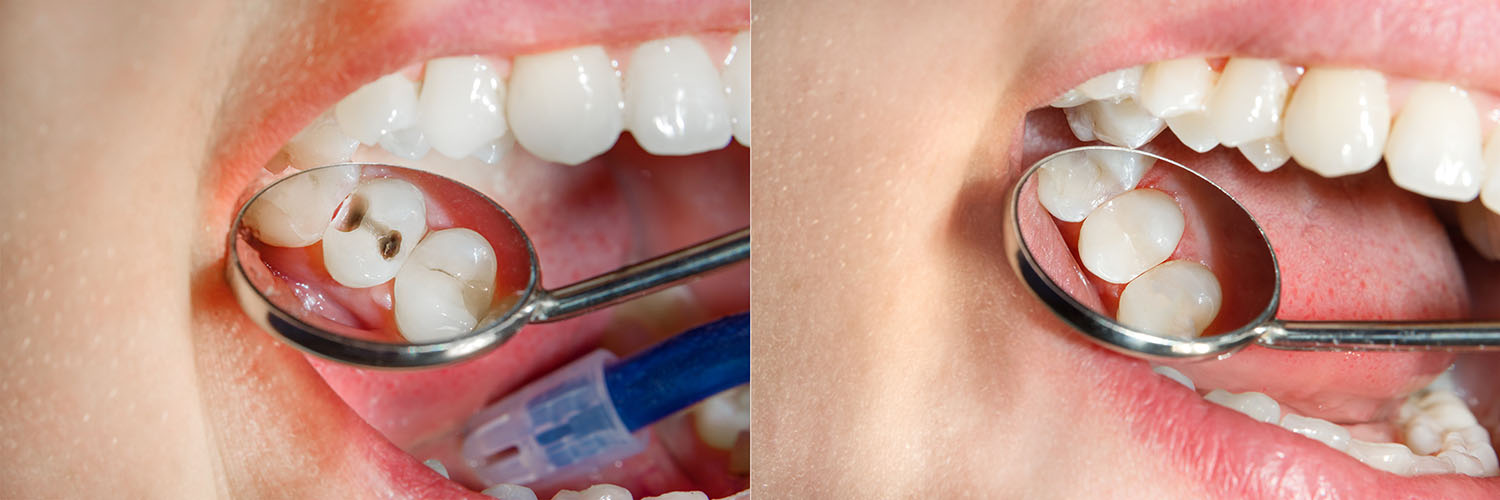
Fillings are a cornerstone of conservative dental care—designed to stop decay, rebuild function, and preserve natural teeth whenever possible. With a modern range of materials and individualized planning, restorations can meet both functional demands and esthetic expectations without sacrificing long-term health.
At Chroma Dental, we focus on thoughtful diagnosis, clear communication, and restorative choices that support a lifetime of healthy smiles. If you’d like to review options for a specific tooth or learn how to protect existing restorations, please contact us for more information. Our team is available to answer questions and help you choose the best path forward.

There are several commonly used filling materials, each suited to different clinical needs. Composite resins are tooth-colored materials that bond to enamel and are often used in visible areas because they can be shaded to match surrounding teeth. Glass ionomer cements release low levels of fluoride and are useful where moisture control is difficult or as a temporary solution.
Metal restorations, including gold and high-quality alloys, remain valued for durability in high-stress posterior teeth and for patients who prioritize longevity. Ceramic inlays and onlays are indirect restorations that provide excellent color stability and strength for larger defects. Your clinician can describe the benefits and limitations of each material so you can make an informed decision with them.
Selection starts with a careful assessment of the size and location of the defect, how much natural tooth structure remains, and the forces that tooth endures during chewing. The dentist also considers oral hygiene, the presence of existing restorations, and any habits such as grinding that could affect performance. Esthetic priorities and the patient's desire to preserve tooth structure also influence the recommendation.
At Chroma Dental, clinicians balance these factors to recommend a restoration that optimizes strength, longevity and appearance for each individual tooth. Communication about expectations and the procedural steps is part of the decision-making process so patients understand why a particular material is preferred. When a larger or more complex repair is needed, indirect options such as inlays, onlays or crowns may be discussed as alternatives.
A filling visit typically begins with a focused exam and any imaging needed to determine the extent of decay or damage. Local anesthesia is commonly used so the procedure is comfortable, and the dentist removes diseased tissue before shaping the cavity for a stable restoration. For direct composite fillings the material is placed, bonded and cured in the same visit while indirect restorations may require impressions and a second appointment.
The clinician follows material-specific steps to ensure a tight seal and proper occlusion, and small adjustments to bite or contour are often made before you leave. Simple fillings commonly take less than an hour, though multi-surface or deep repairs can take longer. If you feel anxious about dental care, ask about relaxation or sedation options to help you remain comfortable during treatment.
Longevity varies by material, location in the mouth, and oral habits; some restorations last many years while others may need attention sooner. Composite restorations generally perform well for small to moderate defects, while metals and ceramics may offer longer service in high-stress areas. Regular dental exams and periodic X-rays help monitor wear, detect marginal breakdown, and identify recurrent decay early.
A filling should be evaluated if you notice new sensitivity, a sharp edge, visible cracking, or a change in how the tooth bites together. Timely maintenance or replacement of a failing restoration helps preserve the underlying tooth and can prevent the need for more extensive treatment. Your dentist will recommend follow-up intervals based on the material used and your individual risk factors.
Temporary sensitivity after a new filling is common and usually results from the tooth reacting to preparation, bonding agents, or temperature changes. Minor inflammation of the nerve or transient fluid movement within the dentinal tubules can create heightened sensitivity to hot, cold or pressure. In most cases this discomfort diminishes over days to weeks as the tooth adapts and any inflammation resolves.
If sensitivity increases, becomes sharp, or persists beyond a few weeks, schedule an evaluation so the restoration and surrounding tooth can be assessed. Occasionally a bite adjustment, additional desensitizing treatment, or further restorative work is needed to address the cause. Prompt attention helps prevent ongoing discomfort and protects the tooth from more serious complications.
Filling materials used in modern dentistry are selected for their safety, effectiveness and biocompatibility, and they are supported by scientific research and regulatory oversight. Each material has specific properties and considerations, and your dentist will discuss potential benefits and any known limitations relevant to your health and oral environment. If you have particular health concerns or material sensitivities, be sure to share that history so treatment can be tailored appropriately.
Clinicians aim to use conservative techniques that preserve as much natural tooth structure as possible while creating a durable seal against bacteria. Proper placement, finishing and follow-up care reduce the risk of complications and help the restoration perform predictably over time. Open communication with your dental team ensures material choices align with your overall wellbeing.
Inlays, onlays and crowns are indirect restorations that are often recommended when a defect is too large for a direct filling or when more structural reinforcement is needed. These restorations are fabricated from durable materials such as ceramic or gold and are bonded or cemented to the prepared tooth for a precise fit. Indirect options preserve strength and can provide superior longevity and margin control for extensive lesions or previously restored teeth.
Your dentist will evaluate the amount of remaining healthy tooth, the tooth's role in the bite, and aesthetic requirements when recommending an indirect restoration. Staged treatment may be used to rebuild strength before final restoration if decay or fracture is extensive. Choosing an inlay, onlay or crown is a long-term decision aimed at maintaining function and preventing future breakdown.
Good daily oral hygiene—brushing twice with fluoride toothpaste, cleaning between teeth daily, and maintaining regular professional cleanings—helps prevent decay around restorations and extends their useful life. Addressing habits such as grinding, nail-biting or chewing hard objects reduces stress on restorations and limits the chance of cracks or premature wear. A nightguard or other protective measures may be recommended when bruxism is present to protect both natural teeth and restorations.
Routine dental exams allow early detection of marginal changes or wear so minor repairs can be made before larger problems develop. If you notice new symptoms such as sensitivity, a sharp bite or visible damage, schedule an evaluation promptly. Proactive care and preventive attention are the most effective ways to preserve both fillings and underlying tooth structure.
Signs that a filling may need attention include persistent or worsening sensitivity, a change in bite, visible cracks or roughness, and discoloration or staining at the margin of the restoration. Recurrent decay around the edges of a filling can develop without obvious symptoms at first, which is why periodic X-rays and professional evaluations are important. A loose or lost filling is a clear sign that prompt care is needed to protect the tooth from further damage.
When any of these signs appear, the dentist performs a focused assessment to determine whether adjustment, repair or replacement is the best course. Early intervention can often preserve more of the natural tooth and avoid more extensive procedures. Communication about evolving symptoms helps ensure timely and appropriate care.
Many patients experience anxiety around dental treatment, and modern practices offer several strategies to improve comfort and reduce stress. Simple measures such as clear explanations of each step, calming techniques, noise-reducing headphones, or scheduling appointments at less busy times can make a meaningful difference. For patients with higher anxiety, clinicians may discuss nitrous oxide, oral sedatives or other appropriate relaxation options to help treatment proceed calmly and safely.
Discuss your concerns with the dental team before the appointment so a tailored plan can be put in place, including breaks or additional local anesthesia if needed. Our team at Chroma Dental emphasizes gentle technique and open communication to help patients feel supported throughout the procedure. A thoughtful approach to comfort often results in a more positive experience and better outcomes for restorative care.